Floor Milling For Under Floor Heating
Retrofit underfloor heating without raising your existing floor levels.
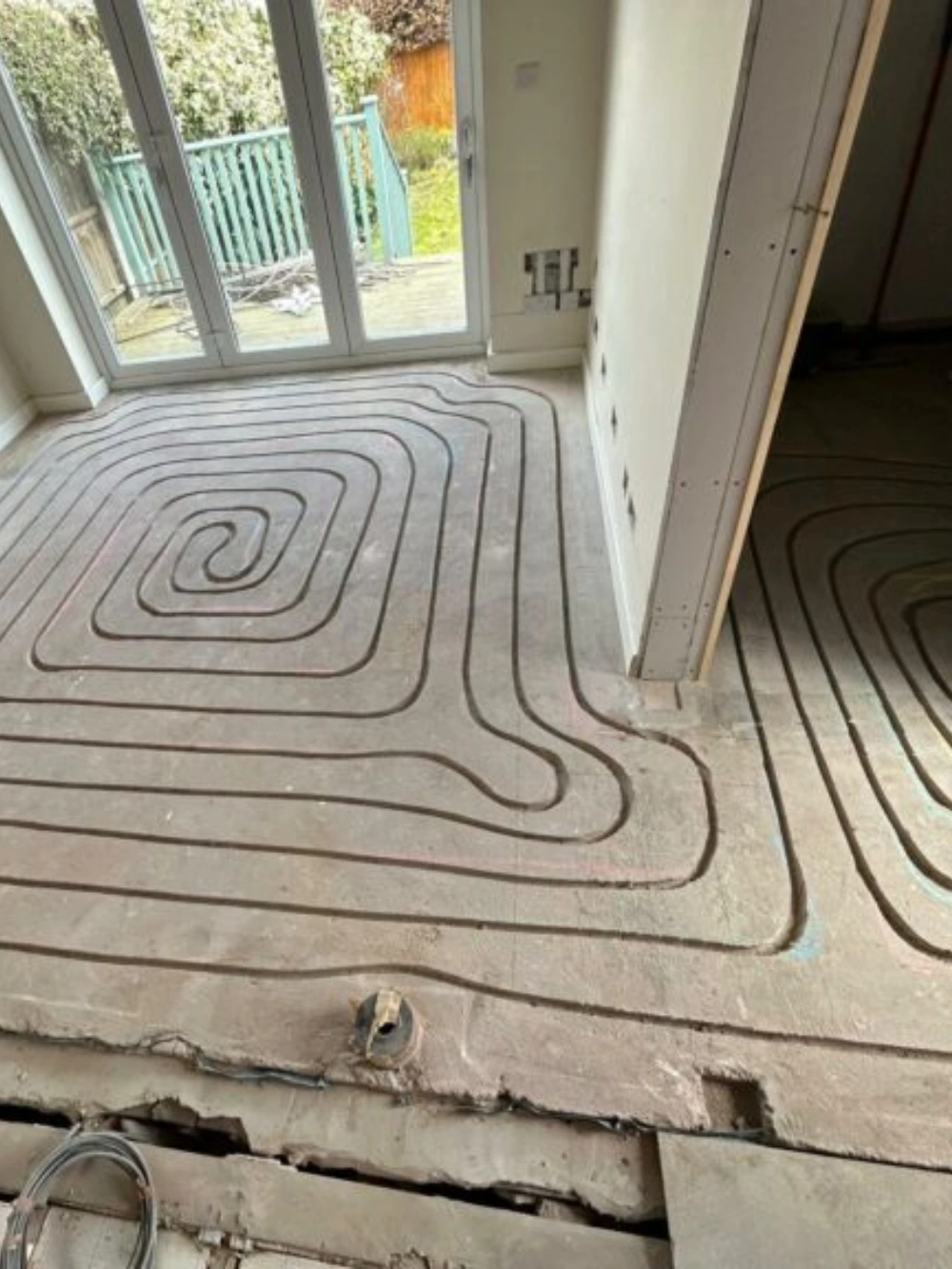
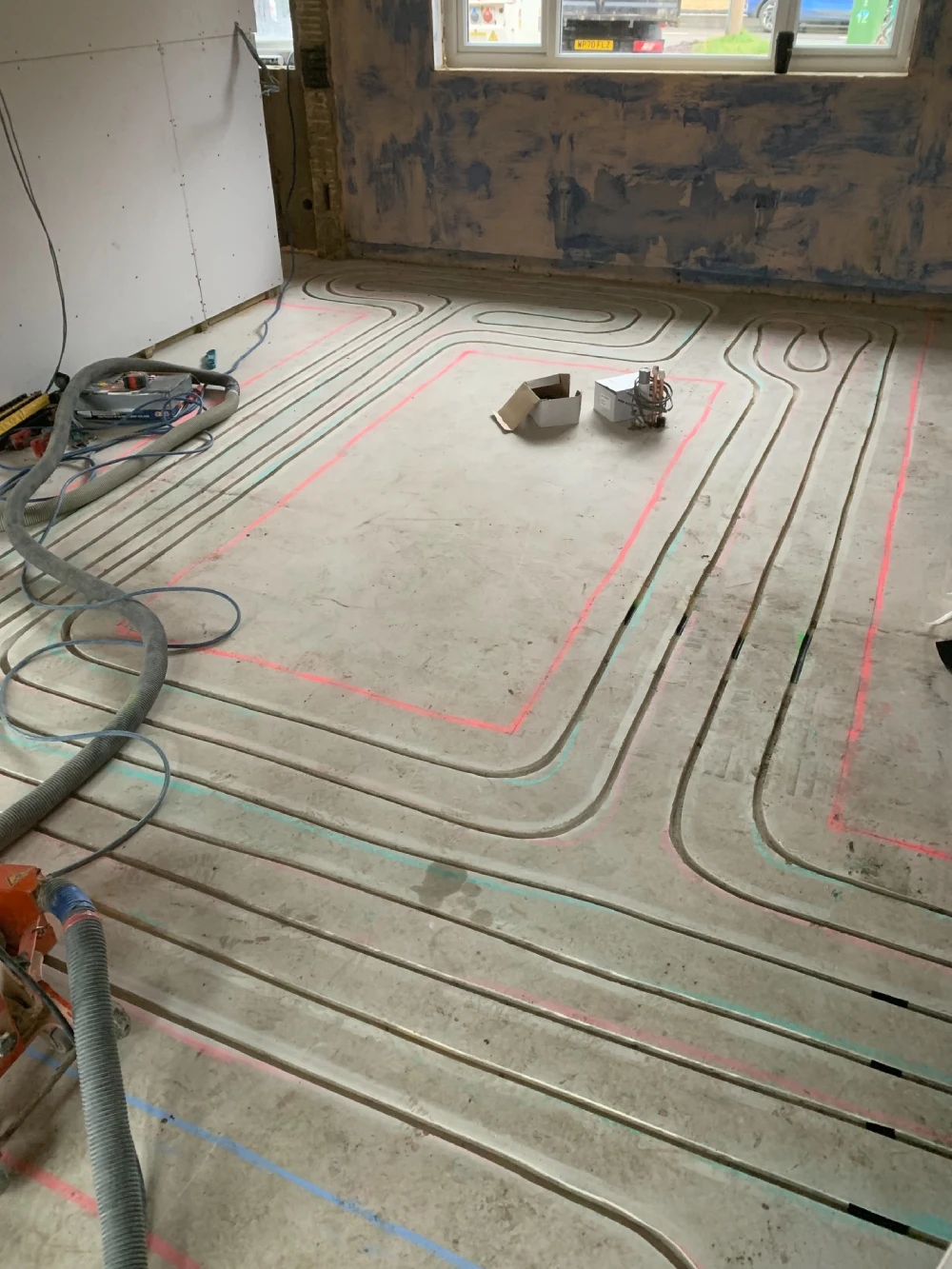
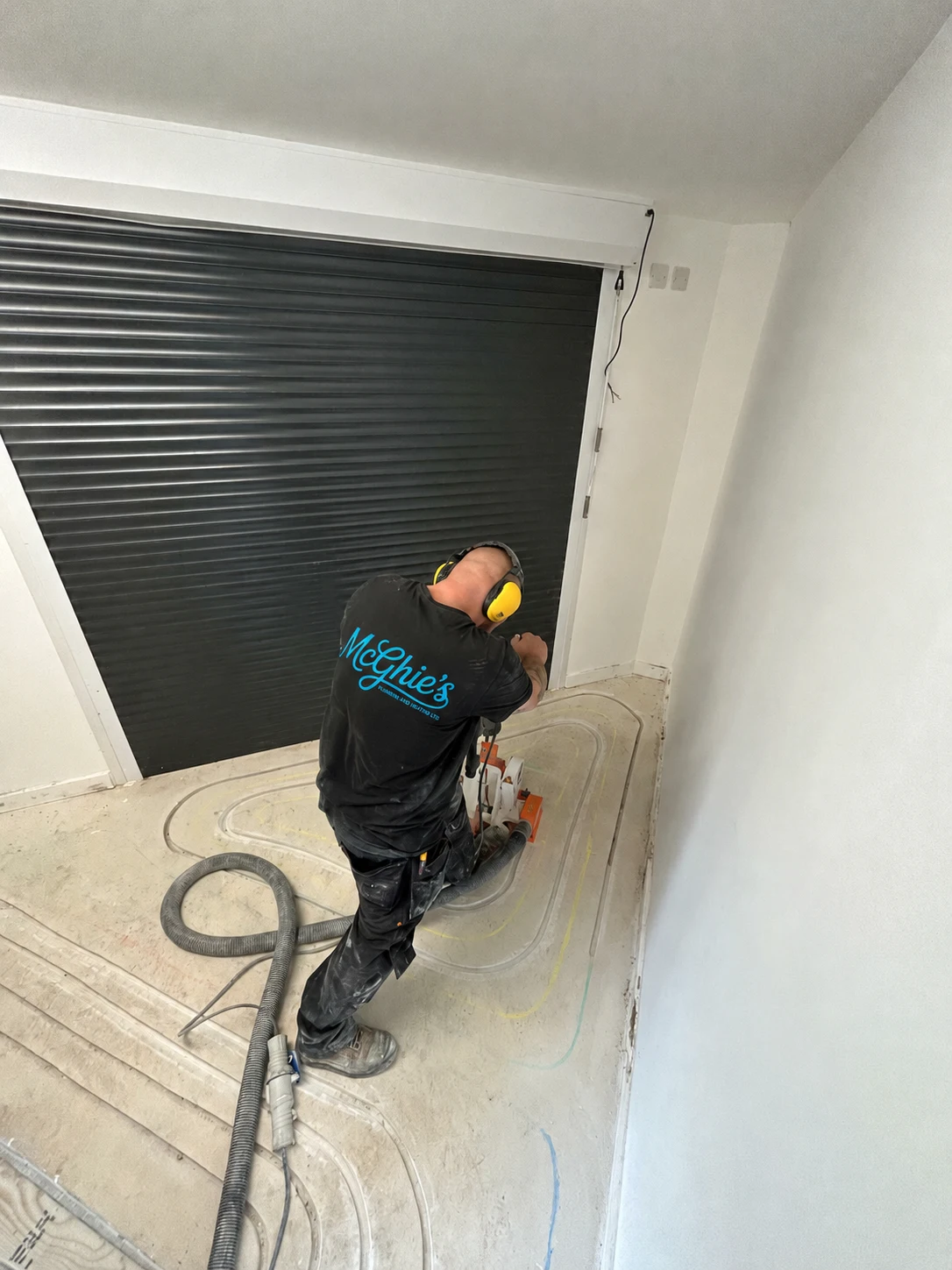
Floor milling allows underfloor heating pipework to be installed into many existing floor types by cutting precision channels directly into the screed or concrete. Using specialist dust extraction equipment, the process creates minimal airborne dust and avoids the need for bulky overlay panels typically used in many renovation projects.
Our floor milling service is available nationwide across the UK.
Why Choose Floor Milling?
No significant increase in finished floor height
Minimal dust with professional extraction
Less disruption than digging up and replacing floors
Fast accurate installation
Suitable for many renovation and extension projects
How floor milling works

Step 01: Survey and design
Every project starts by understanding your property. We assess the existing floor construction, discuss your heating requirements and design a pipe layout that delivers even heat throughout your home.
Step 02: Precision floor milling
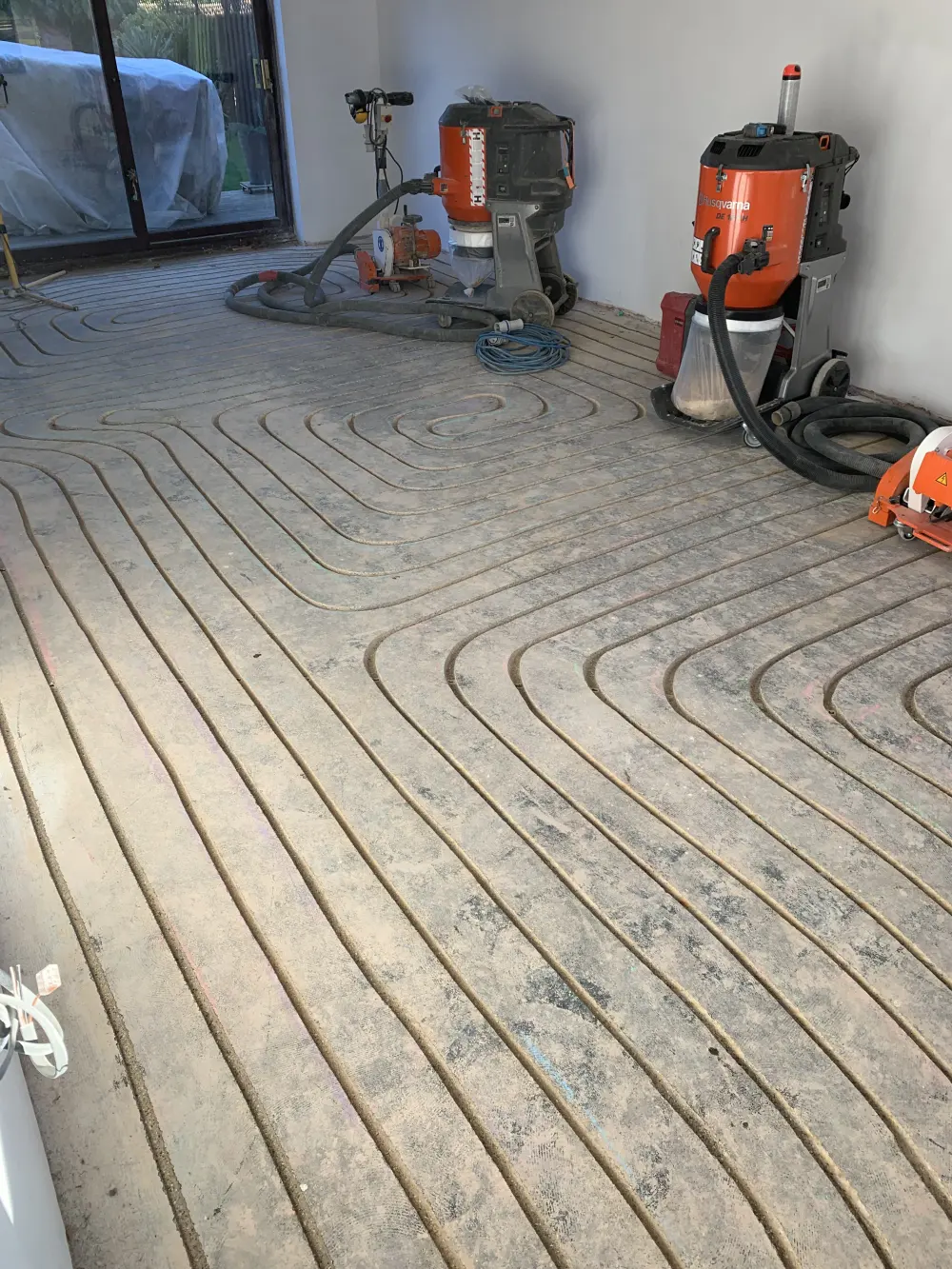
Using specialist floor milling equipment we cut precise channels into the existing screed while industrial dust extraction keeps airborne dust to a minimum.
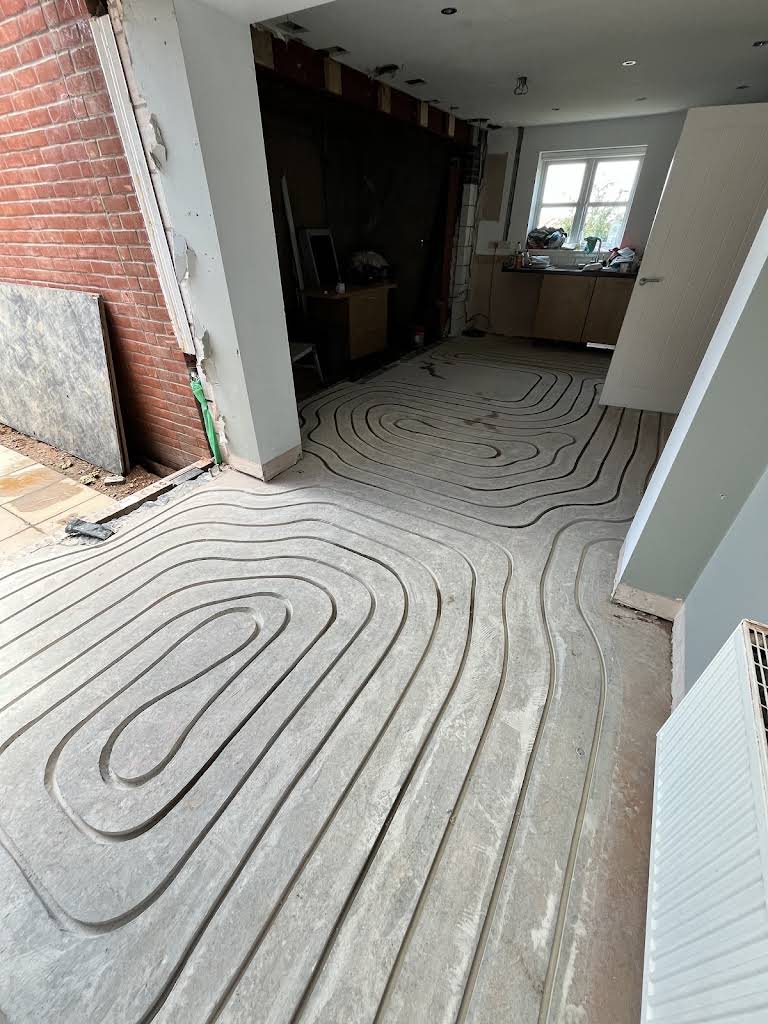

Step 03: Pipe installation
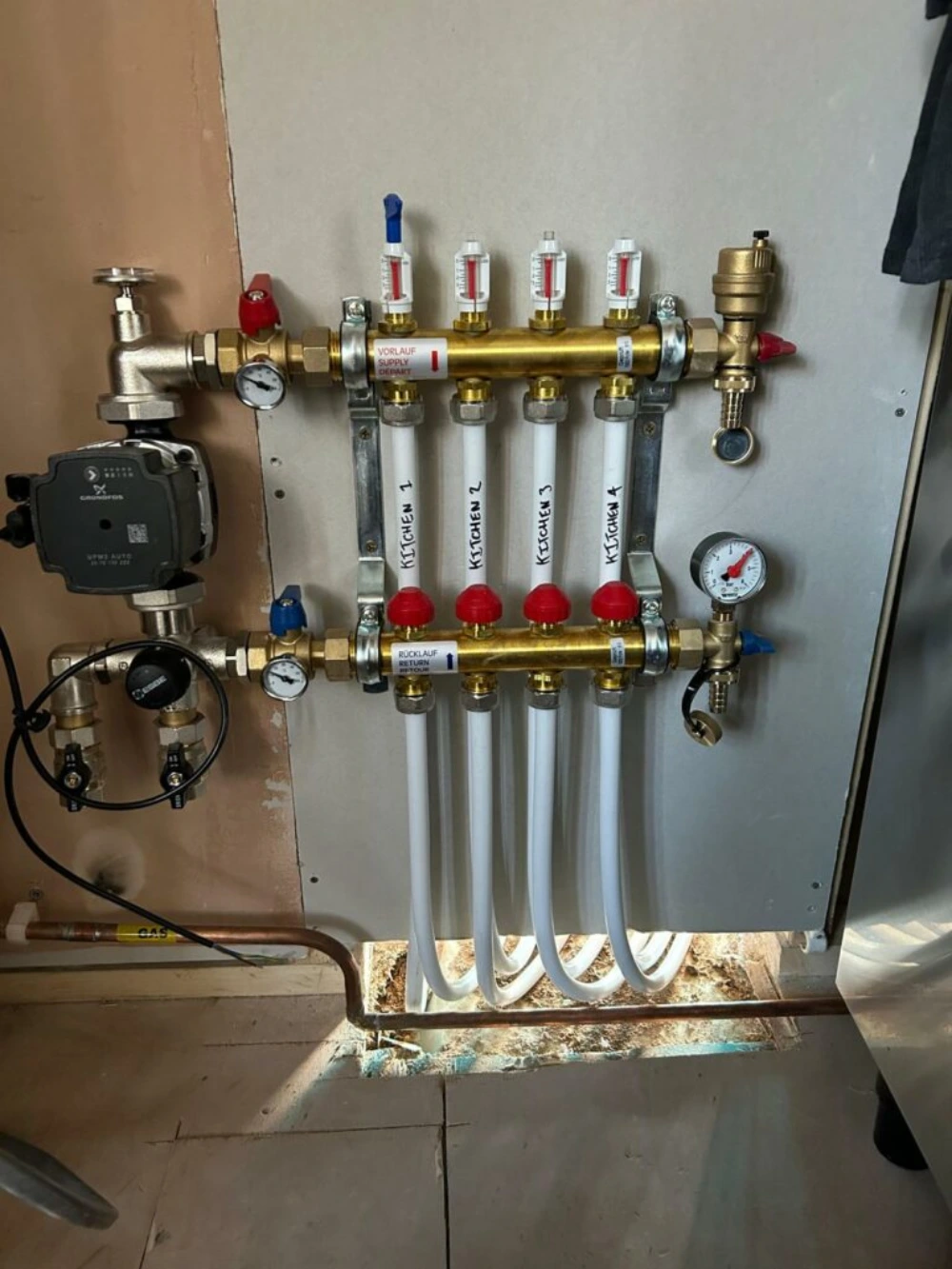
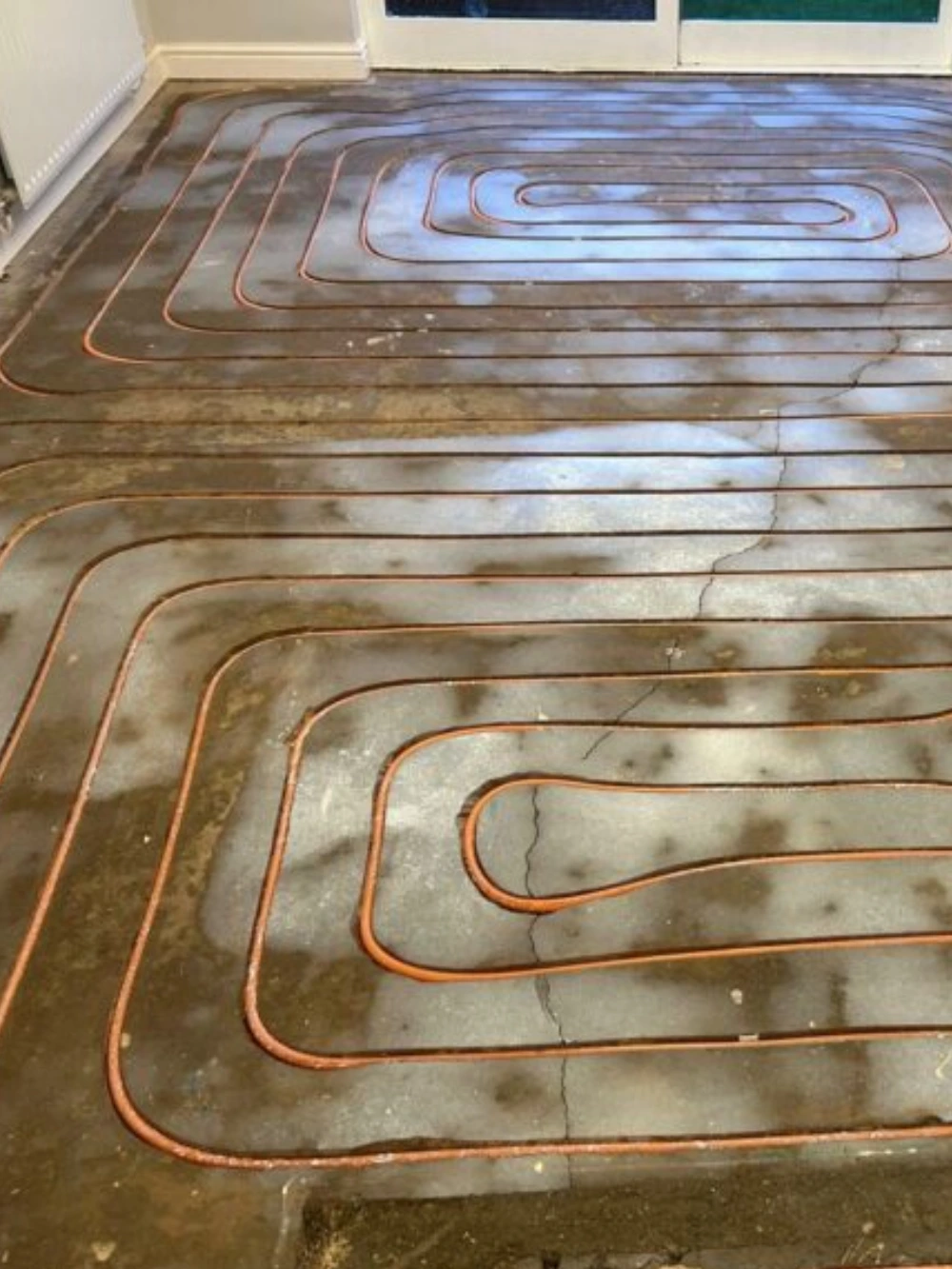
The underfloor heating pipe is carefully installed into the newly milled channels before being connected up to the manifold. Every circuit is pressure tested to ensure the system is ready for the next stage of the installation.
Step 04: Floor preparation to suit your project

Ready for your flooring contractor
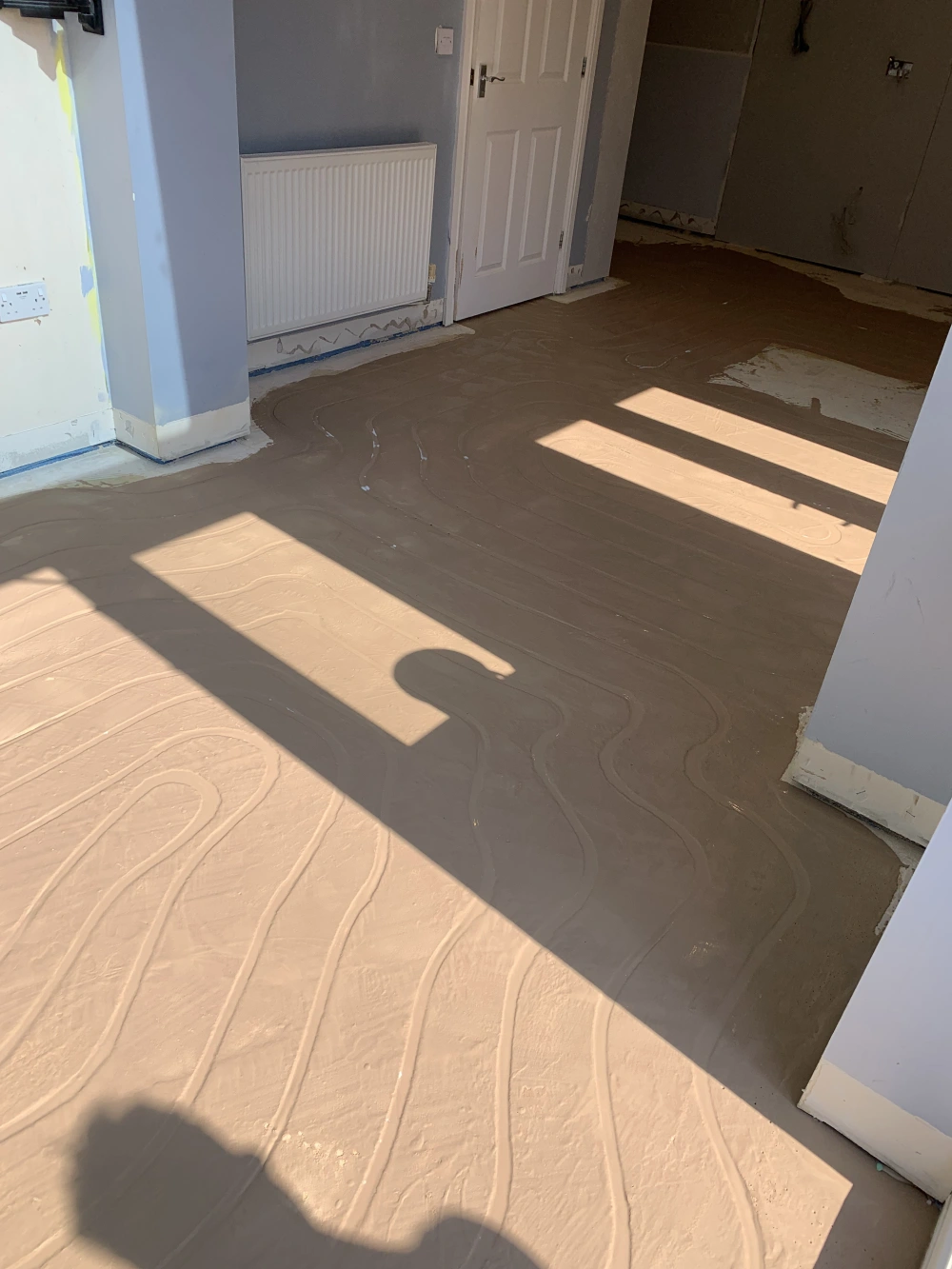
Initial channel fill

Final floor preparation
Is My Floor Suitable For Milling?
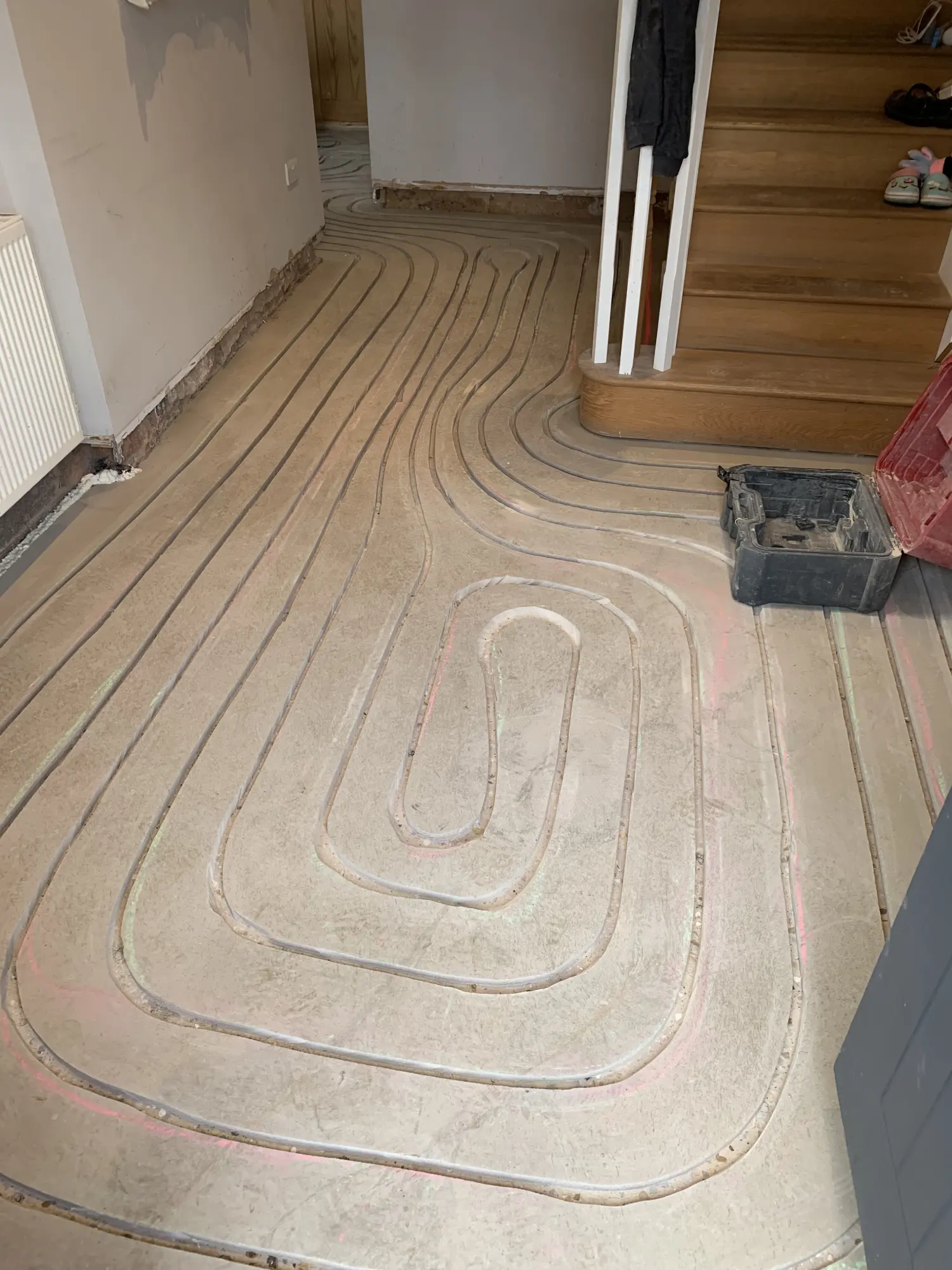
Suitable floor types
Click an image to enlarge it and see the typical difference between concrete, screed and tiled floors.

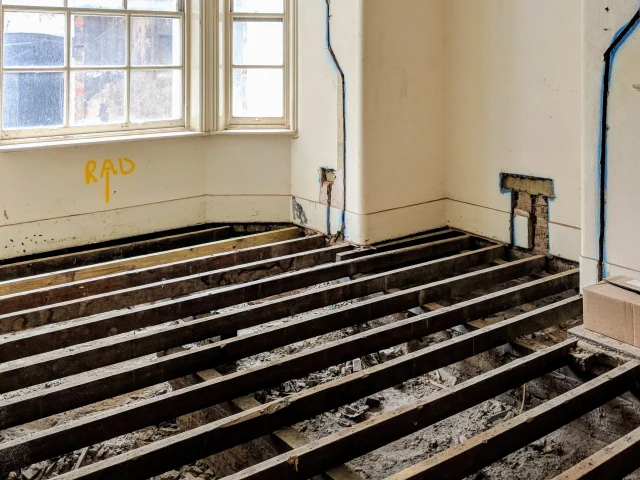
Not Suitable floor types
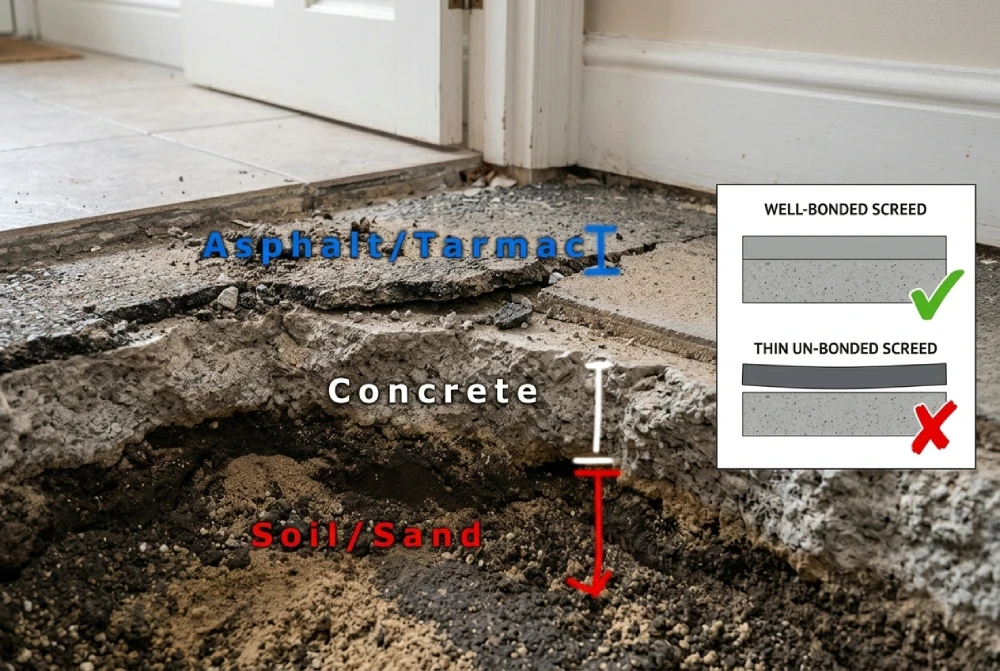

Not sure if your floor is suitable?
The quickest way for us to assess your floor is from a few photos, or ideally, a short video.
Simply WhatsApp or email them to us and we’ll let you know whether floor milling is suitable for your property. If it isn’t, don’t worry-we install a range of underfloor heating systems and will recommend the solution that’s best suited to your home.
There’s no obligation – we’re happy to offer honest advice, even if floor milling isn’t the right option for your home.
See Our Recent Work
Tap/click any image below to expand.